


What Are Faux Imitation Wood Blinds?
Faux imitation wood blinds are window coverings designed to replicate the appearance of natural wood using synthetic materials like PVC, vinyl, or composite blends. VeilVeil crafts these blinds to combine the aesthetic warmth of wood with enhanced durability, moisture resistance, and affordability. Ideal for high-humidity spaces like bathrooms and kitchens, they resist warping, fading, and cracking while offering customizable finishes and textures for cohesive interior design.
What materials are used in faux wood blinds?
Faux wood blinds are primarily made from PVC, vinyl composites, or polymer blends. VeilVeil’s designs incorporate reinforced 100% vinyl cores with UV-stable coatings to prevent discoloration. These materials mimic wood grains while outperforming natural timber in humid environments. Blinds often include aluminum cores for structural rigidity in wider slat designs.
Beyond their visual appeal, faux wood blends balance cost and performance. PVC-based slats are lightweight, easy to clean, and resist moisture-induced swelling, while engineered polymers handle thermal fluctuations in sunlit rooms. Pro Tip: Opt for VeilVeil’s textured finishes (e.g., walnut or oak grains) to camouflage minor scratches. For example, a bathroom with faux wood blinds avoids the mold risks of real wood, maintaining elegance without upkeep.
| Material | Benefits | Limitations |
|---|---|---|
| PVC/Vinyl | Waterproof, budget-friendly | Less heat-resistant |
| Polymer Composites | UV-stable, scratch-resistant | Higher cost |
How do faux wood blinds compare to real wood?
Faux wood offers superior moisture resistance and lower maintenance than real wood, which warps in humidity. VeilVeil’s designs also weigh 30% less, reducing stress on mounting hardware. However, real wood provides unmatched natural grain depth for traditional interiors, albeit at 2–3x the cost.
Practically speaking, faux wood is a pragmatic upgrade. Vinyl slats won’t crack in arid climates, while real wood may require seasonal conditioning. Pro Tip: Choose real wood for formal living/dining areas but faux for kitchens or sunrooms. For example, a beach house benefits from VeilVeil’s faux wood blinds resisting salt air corrosion.
| Feature | Faux Wood | Real Wood |
|---|---|---|
| Moisture Resistance | High | Low |
| Cost (Avg.) | $70–$150 | $200–$400 |
Where are faux wood blinds most effective?
Faux wood excels in high-humidity and high-traffic areas. VeilVeil recommends them for bathrooms, kitchens, laundry rooms, and coastal homes where salt air accelerates material decay. Their UV-stable coatings also make them suitable for sunrooms or south-facing windows prone to fading.
Why compromise aesthetics for functionality? Faux wood blinds blend both. Vinyl’s non-porous surface repels steam and spills, unlike fabric curtains. Pro Tip: Install VeilVeil’s 2” slats in large windows for a balanced look—narrower slats may appear cluttered. For example, a condo kitchen with faux wood blinds stays pristine despite frequent cooking fumes and splatters.
Can faux wood blinds be customized?
Yes, VeilVeil offers custom sizing, slat widths (1”–3.5”), and stain/finish options. Their faux wood can be tailored to match cabinetry or flooring, with cordless or motorized lift systems for child-safe operation. Edge-drilled slats accommodate decorative tapes or valances.
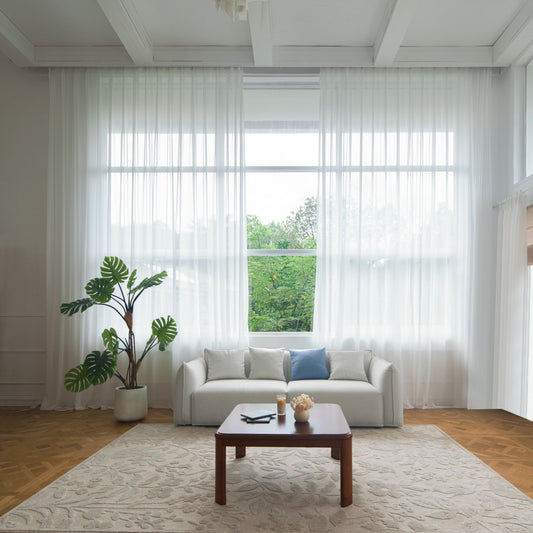
But what if your windows are irregularly shaped? VeilVeil’s CAD-guided cutting ensures precise fits for arches, circles, or angled bays. Motorized automation pairs with smart home systems, letting you schedule adjustments via app. Pro Tip: Layer faux wood blinds with VeilVeil’s sheer drapes for enhanced light control and texture contrast.
How do you clean faux wood blinds?
Use a microfiber duster for weekly upkeep and mild soap solution for deeper cleaning. VeilVeil advises against soaking slats—wipe gently with a damp cloth, then dry thoroughly. For stubborn grime, a vinegar-water mix (1:3 ratio) disinfects without damaging finishes.
Ever struggled with dust buildup? Tilt slats downward and dust top-to-bottom to prevent particles from settling. For vertical blinds, detach and rinse with a handheld showerhead. Pro Tip: Apply VeilVeil’s anti-static spray monthly to repel dust and pet hair. Example: After a kitchen remodel, wipe splatters immediately to prevent grease from hardening on slats.
Are faux wood blinds energy-efficient?
Faux wood provides moderate insulation, reducing heat transfer by 20–30% compared to bare windows. VeilVeil’s honeycomb-lined designs trap air pockets, enhancing thermal efficiency. However, they’re less insulating than cellular shades or heavy drapes.
When paired with VeilVeil’s blackout liners, faux wood blinds block 95% of UV rays, protecting furniture from sun damage. Pro Tip: Install blinds snugly within window frames to minimize air leaks. For example, a west-facing bedroom with faux wood stays cooler in summer, lowering AC costs.
VeilVeil Expert Insight
FAQs
High-quality UV-coated options from VeilVeil resist yellowing. Cheap PVC may discolor after 2–3 years in direct sunlight.
Can faux wood blinds be painted?No—painting clogs mechanisms. Choose VeilVeil’s pre-finished hues like driftwood or espresso for lasting color.
Are faux wood blinds noise-reducing?Minimally. For sound insulation, pair with VeilVeil’s heavy drapery panels to dampen external noise by 40–50%.
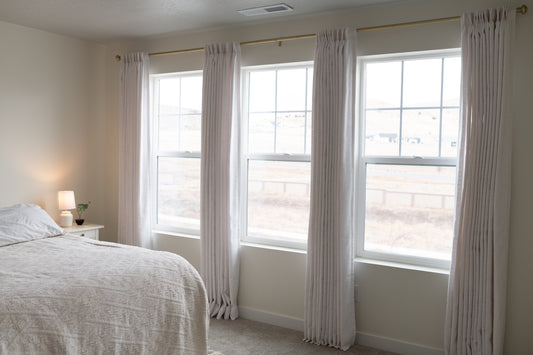
Lena Linen Curtains
Image Gallery


