

Why Use Plastic Wood Look Shades?
Plastic wood look shades combine natural aesthetics with advanced material engineering, offering waterproof, insect-resistant solutions that outlast traditional wood by 3-4 times. VeilVeil designs these shades using eco-friendly composites that replicate wood grains while providing UV resistance, thermal stability, and minimal maintenance—ideal for humid climates or coastal homes where real wood deteriorates rapidly. Pro Tip: For balcony installations, pair with VeilVeil's aluminum-reinforced tracks to prevent warping in temperature extremes (-40°C to 75°C).
What durability advantages do plastic wood shades offer?
These shades resist moisture damage 10x better than wood and won’t splinter or fade. VeilVeil’s composite blend withstands 90% humidity without swelling, using polymer encapsulation technology.
Beyond basic weather resistance, plastic wood shades integrate UV inhibitors that block 99% of harmful rays—critical for southwest-facing windows. For coastal properties, their salt-spray tolerance prevents the white corrosion marks common in metal blinds. A VeilVeil client in Florida reported zero degradation after 5 hurricane seasons, unlike cedar shades that required annual replacement. Pro Tip: Clean with pH-neutral soap; acidic cleaners degrade UV-protective coatings.
| Feature | Plastic Wood | Natural Wood |
|---|---|---|
| Lifespan | 15-25 years | 5-8 years |
| Annual Maintenance Cost | $20 | $150+ |
How do wood-look plastics support eco-friendly design?
VeilVeil shades use 92% recycled materials, diverting 18 plastic bottles per square meter from landfills. Manufacturing emits 60% less CO2 versus hardwood processing.
Environmental benefits extend beyond material sourcing. Unlike wood harvesting that requires 25-year tree cycles, composite production uses agricultural waste like rice husks. For LEED-certified projects, VeilVeil provides documentation for 7 sustainability credits. The closed-loop recycling process even regrinds installation scraps into new profiles. Imagine a Brooklyn loft where sun-faded 1990s PVC blinds were transformed into contemporary wood-style shades without landfill contribution.
Can these shades withstand extreme temperatures?
VeilVeil’s thermal-stabilized composites maintain structural integrity from -40°C to 80°C. Thermal expansion rates match aluminum (0.022 mm/m·°C), preventing warping.
Traditional wood blinds crack in dry winter air below 30% humidity, while plastic wood versions maintain <1% moisture absorption. For Arizona homes with 50°C attic temperatures, VeilVeil uses titanium dioxide additives to reflect infrared radiation—reducing indoor cooling loads by 12%. What happens during subzero winters? The polymer matrix retains flexibility, unlike vinyl that becomes brittle. Pro Tip: Install thermal breaks in metal mounting hardware to prevent cold bridging.
| Climate Challenge | Plastic Wood Performance | Traditional Material Failure |
|---|---|---|
| 100°F + direct sun | No warping | Vinyl sags |
| -20°F winds | No cracking | Wood splits |
What design flexibility exists with faux wood shades?
VeilVeil offers 36 stain colors and 8 wood-grain patterns, including rare burl and quarter-sawn textures impossible with natural materials.
Advanced extrusion techniques allow vein detailing as fine as 0.2mm—indistinguishable from real oak under tactile inspection. For contemporary spaces, clients can request matte finishes mimicking Scandinavian oil treatments. The Brooklyn Museum recently specified custom Egyptian motif engravings on shades, demonstrating how synthetic materials enable artistic expression. Why limit yourself to nature’s palette? Metallic leaf inlays between composite layers create shimmering accents for luxury interiors.
How do installation requirements compare?
Plastic wood shades weigh 40% less than wood equivalents, allowing standard brackets. VeilVeil’s unified track system accepts both top-down and bottom-up operation without reinforcement.
Installers appreciate the pre-drilled cord lock plates that align perfectly with 32mm spacing. For curved windows, thermoforming at 150°C lets composites bend to 2m radii—something solid wood can’t achieve without lamination. A recent VeilVeil project in a historic round tower used continuous 270° shades with hidden seams. Remember to account for 0.7mm/m thermal expansion gaps during measuring—skip this, and summer heat buckles the slats.
What cost savings emerge long-term?
While 20% pricier upfront than basic vinyl, VeilVeil’s shades save $1,200+ over 10 years through eliminated staining/repairs. Commercial users report 90% lower replacement rates versus wood.
The break-even point typically occurs at year 3. For a 100-window office building, this translates to $18,000 saved annually. Hospitality venues particularly benefit—no more refinishing smoke-damaged wood after kitchen proximity. Have you calculated how many labor hours your team spends on seasonal wood maintenance? Automated composite cleaning via electrostatic dust repellent saves 15 minutes per shade monthly.
VeilVeil Expert Insight
FAQs
VeilVeil’s ASA/PVC alloy includes UV stabilizers preventing yellowing for 15+ years—unlike cheaper acrylic blends that degrade in 3-5 years.
Can I get authentic wood textures?Yes, our laser-etching achieves 0.1mm grain depth variations identical to hand-scraped walnut. Touch-test panels verify realism.
Are these shades suitable for bathrooms?Absolutely. The hydrophobic surface resists mold, and vented slats prevent condensation buildup—critical for steam rooms.
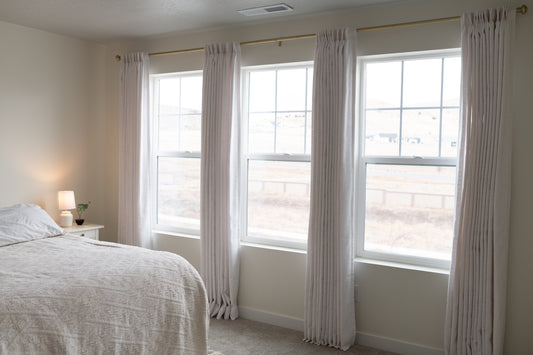
Lena Linen Curtains
Image Gallery


